
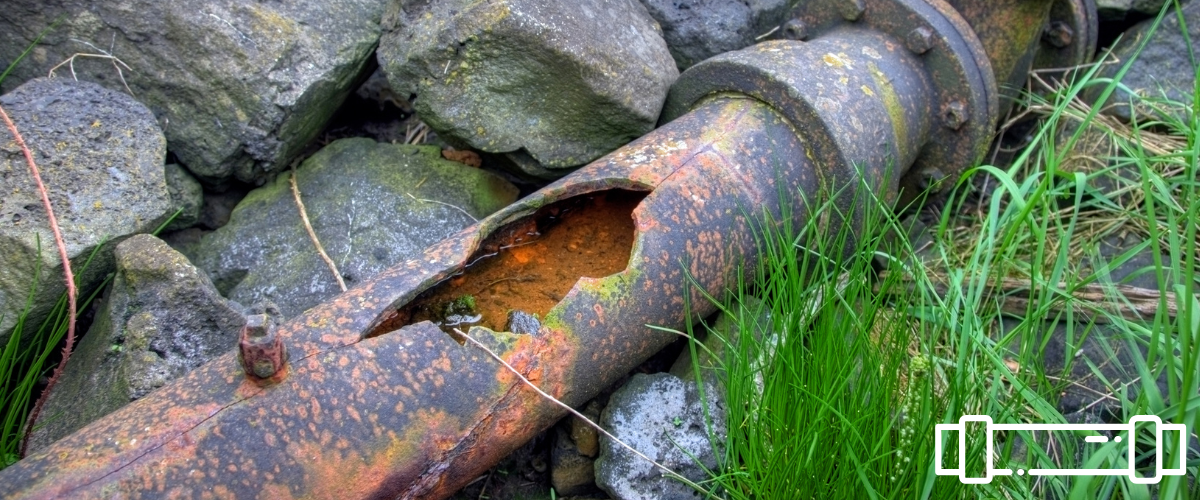
If you have cast-iron pipes in Florida homes, the most important thing to know is that not every aging pipe needs to be replaced. The right solution depends on the pipe’s actual condition, and a professional inspection can determine whether repair, restoration, or replacement will provide the best long-term value.
Many Florida homes built between the 1950s and 1980s still rely on original cast-iron drain and sewer systems. While cast iron was considered one of the most durable plumbing materials of its time, decades of exposure to moisture, wastewater, and corrosion eventually take a toll. Homeowners often notice recurring drain issues, sewer odors, or unexpected plumbing problems and immediately assume they need a complete repipe. In reality, some systems can be restored, while others require replacement.Understanding the difference can save thousands of dollars and prevent unnecessary disruption to your home.
This guide answers the most common homeowner questions about cast iron pipes in Florida homes and explains when repair makes sense, when replacement becomes necessary, and how a professional inspection helps you make the right decision.
Why Are Cast Iron Pipes a Common Problem in Florida Homes?
Florida homeowners face unique plumbing challenges due to the age of many residential properties and the state’s environmental conditions. Older cast-iron systems often experience accelerated deterioration compared to newer plumbing materials.
Over time, corrosion develops inside the pipe walls, reducing flow capacity and weakening structural integrity. As deterioration progresses, homeowners may begin noticing recurring plumbing issues throughout the property.
Common causes of cast iron pipe deterioration include:
- Internal rust and corrosion
- Constant moisture exposure
- Mineral buildup and scaling
- Aging plumbing infrastructure
- Tree root intrusion
- Soil movement beneath the property
- Decades of wastewater flow
How Long Do Cast Iron Pipes Last in Florida?
The lifespan of cast iron plumbing depends on several factors, including installation quality, maintenance history, environmental conditions, and usage patterns. While cast iron pipes can last several decades, age alone does not determine whether replacement is necessary.
Many Florida homes are now reaching the point where their original plumbing systems require professional evaluation. Homes built before 1980 are particularly likely to experience corrosion-related issues.
Factors that impact cast iron pipe lifespan include:
- Property age
- Soil conditions
- Moisture levels
- Drain maintenance practices
- Previous repairs
- Water chemistry
- Existing corrosion levels
What Are the Warning Signs of Failing Cast Iron Pipes?
Most homeowners notice symptoms long before a complete sewer failure occurs. The key is recognizing these signs early enough to avoid major property damage.
If multiple plumbing issues appear throughout the home, the problem may extend beyond a simple drain clog and indicate pipe deterioration.
Common Warning Signs Include:
- Recurring drain backups
- Multiple slow drains
- Sewer odors indoors
- Frequent toilet clogs
- Gurgling sounds from drains
- Water pooling around fixtures
- Foundation moisture concerns
- Mold or mildew growth
- Unexplained pest activity
- Sinkholes or yard depressions
When these symptoms occur repeatedly, scheduling a sewer camera inspection Miami service can reveal the true condition of the system before larger repairs become necessary.
For more plumbing saves, also read: Signs of a slab leak.
How Can You Tell if Cast Iron Pipes Need Repair Instead of Replacement?
This is one of the most common questions homeowners ask, and the answer depends on the extent of the damage. Not all corrosion requires a complete system replacement.
If the pipe structure remains largely intact, restoration solutions may extend the system’s lifespan while avoiding major excavation or demolition.
Cast Iron Pipe Repair May Be Appropriate When:
- Corrosion is moderate rather than severe
- Structural integrity remains intact
- Damage is isolated to specific sections
- Flow restrictions are caused by the buildup
- Minor cracking is present
- The pipe has not collapsed
In these situations, pipe restoration methods may provide an effective solution while minimizing disruption to the property.
A professional inspection is essential because symptoms alone rarely reveal the full extent of underground damage.
When Is Cast Iron Pipe Replacement Necessary?
While repair can address many plumbing issues, some systems deteriorate beyond the point where restoration remains practical.
When structural failure is widespread, replacement often becomes the most reliable long-term solution.
Replacement May Be Necessary When:
- Pipes have collapsed
- Severe corrosion affects large sections
- Multiple cracks are present
- Extensive root intrusion exists
- Repeated repairs have failed
- Significant sewer leaks are occurring
- The system experiences ongoing backups despite corrective measures
In these cases, delaying replacement may increase repair costs and raise the risk of property damage.
The goal is not simply fixing today’s issue but preventing future failures that can impact flooring, foundations, landscaping, and interior finishes.
Why Is a Sewer Camera Inspection So Important?
Many homeowners make decisions based on symptoms rather than evidence. Unfortunately, symptoms can be misleading.
A professional camera inspection provides a real-time view of the pipe’s interior condition, allowing plumbing specialists to identify the exact cause of the problem.
A camera inspection can reveal:
- Corrosion levels
- Pipe scaling
- Root intrusion
- Cracks and fractures
- Standing water
- Pipe separation
- Bellies and low spots
- Structural deterioration
Without inspection data, homeowners risk paying for repairs they don’t need or postponing replacement when it is actually necessary.
This is why scheduling a sewer camera inspection service in Miami is often the first step before choosing a repair strategy.
Also read: How to unclog a main sewer line
Can Pipe Lining Restore Aging Cast Iron Pipes?
Many homeowners are surprised to learn that replacement is not always the only option. In certain situations, pipe restoration technologies can rehabilitate aging pipes without major demolition.
Modern restoration methods focus on improving pipe performance while preserving existing infrastructure.
Benefits of Pipe Restoration Include:
- Reduced disruption
- Faster project completion
- Less excavation
- Improved flow capacity
- Extended pipe lifespan
- Lower restoration costs in certain situations
For qualifying systems, cast iron pipe lining Miami services can provide an alternative to full replacement while addressing corrosion-related concerns.
However, restoration is not suitable for every pipe. The condition of the system must first be verified through inspection.
What Happens if You Ignore Failing Cast Iron Pipes?
Many homeowners postpone inspections because drains still appear functional. Unfortunately, cast iron deterioration often progresses gradually before leading to expensive failures.
Ignoring early warning signs can increase repair costs significantly over time.
Potential consequences include:
- Sewer backups
- Water damage
- Foundation concerns
- Mold growth
- Pest infestations
- Damaged flooring
- Property value reduction
- Emergency plumbing repairs
What Should Florida Homeowners Do First?
Homeowners often ask whether they should repair, replace, or simply wait. The best answer is to gather accurate information before making a major plumbing decision.
A professional inspection provides the data needed to determine the most cost-effective solution.
Recommended Next Steps:
- Monitor recurring plumbing symptoms.
- Schedule a sewer camera inspection.
- Review inspection findings.
- Compare restoration and replacement options.
- Choose the solution that matches the pipe condition.
- Address issues before significant damage occurs.
Making decisions based on inspection results helps homeowners avoid unnecessary expenses while protecting their property.
Frequently Asked Questions
Should I replace all cast-iron pipes in an older Florida home?
Are sewer odors a sign of cast iron pipe failure?
Is pipe lining better than replacement?
How do I know if my sewer line has a problem?
Final Thoughts: Repair or Replace?
The decision between repair and replacement should never be based on guesswork. While some cast iron pipes in Florida homes can be restored successfully, others require replacement to prevent future failures.
The smartest first step is obtaining a professional inspection that clearly shows the condition of your plumbing system. With accurate information, homeowners can make informed decisions, avoid unnecessary expenses, and protect their property’s long-term value.
Protect Your Florida Home Before Cast Iron Pipe Problems Get Worse
If you’re experiencing recurring drain issues, sewer odors, or plumbing concerns in an older Florida home, consult a qualified plumber in Coral Gables. Scheduling a professional sewer inspection can help determine whether repair, restoration, or replacement is the best path forward. Contact Quick Fix Plumbing!
