
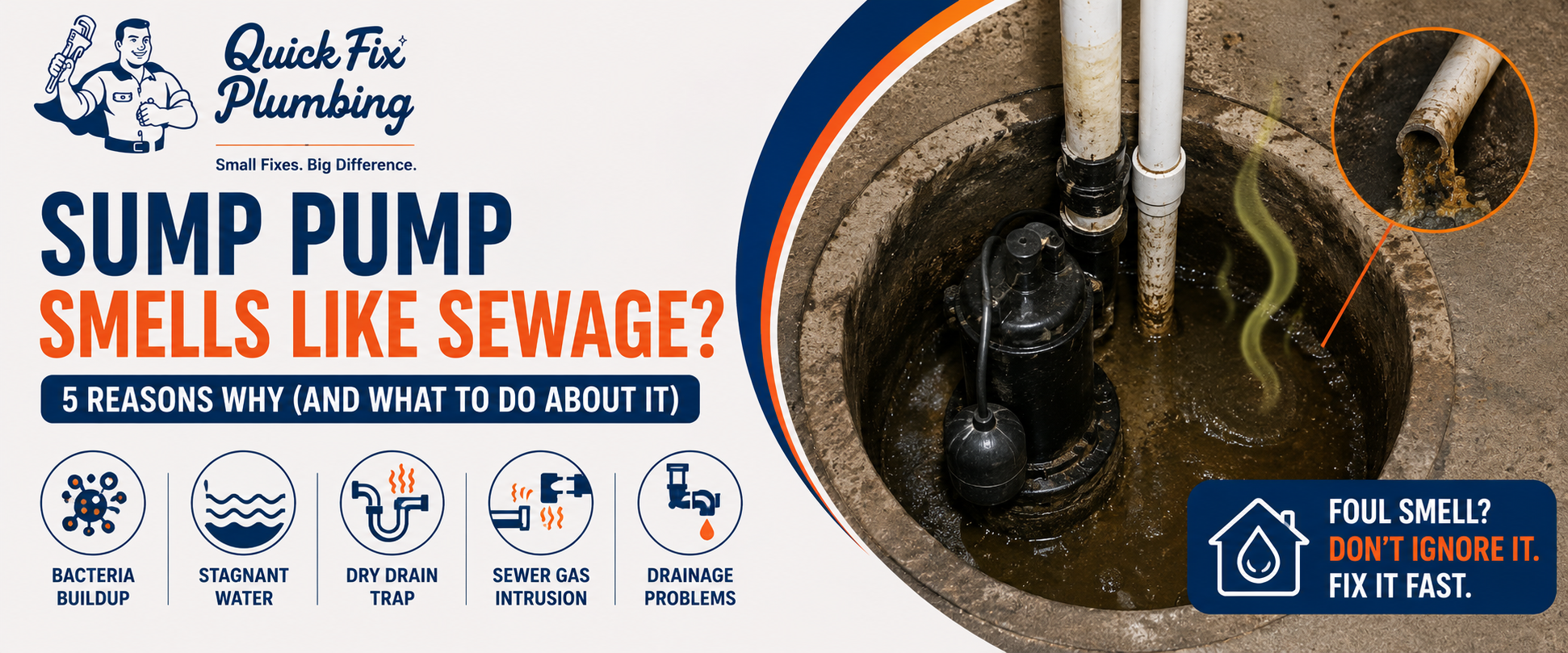
If your sump pump smells like sewage, the smell does not automatically mean sewage is entering the sump pit.
A groundwater sump is designed to collect groundwater or drainage water, not household wastewater. Sewage-like odors around the pit often come from stagnant water and debris, a nearby dry floor drain, a sewage ejector basin, sewer gas from another plumbing problem, or an incorrect piping connection.
One detail is especially useful: when does the smell get stronger?
If it consistently worsens after you flush a toilet, run a sink, or use the washing machine, investigate the sanitary drainage and venting system as well as the sump.
Does a Sump Pump Smelling Like Sewage Mean Something Is Cross-Connected?
Not necessarily.
A true groundwater or storm-water sump should not receive toilet waste or other sanitary sewage. Florida’s plumbing code also separates storm drainage from sanitary drainage and states that storm water must not be drained into a sewer intended only for sewage. Florida Plumbing Code storm-drainage requirements
That does not mean every sewage smell proves an improper connection.
A nearby floor drain, plumbing vent, damaged sewer pipe, or sewage ejector can create an odor that seems to come directly from the sump.
Look more closely if:
- Wastewater, toilet paper, or other sanitary material appears in the basin.
- The pump runs immediately after a basement toilet, sink, shower, or laundry fixture is used.
- The odor repeatedly becomes stronger after flushing.
- Plumbing was recently altered near the pump or drainage system.
- You cannot determine where the inlet or discharge piping goes.
If the piping arrangement is unclear, have the system traced rather than assuming the smell itself proves a cross-connection.
For inspection, repair, or replacement, see sump pump services in Miami.
Sump Pump or Sewage Ejector Pump?
This distinction explains many “sump pump smells like sewage” complaints.
A groundwater sump pump removes groundwater, storm water, or foundation drainage.
A sewage ejector pump handles wastewater from plumbing fixtures that sit too low to drain into the sewer by gravity.
Because an ejector handles wastewater, sewage odor around the basin can point to a problem with its cover, seals, vent, or piping.
Florida’s plumbing code requires sanitary sump systems to be tightly covered and vented, and sewage ejectors discharge into the building’s sanitary drainage system. Florida Plumbing Code sump and ejector requirements
If the pump runs when a toilet or other plumbing fixture is used, you may be looking at an ejector system rather than a groundwater sump.
5 Common Causes of a Sewage Smell Near a Sump Pump
1. Stagnant Water and Debris in the Sump Pit
A sump basin naturally collects some sediment and debris along with groundwater.
If water sits for long periods, dirt, insects, organic material, and sludge can create a strong musty or sulfur-like smell that is easily mistaken for sewage.
Signs to Look For
- Cloudy or dirty standing water
- Sludge at the bottom of the pit
- Leaves, insects, or other debris
- Odor strongest directly over the basin
- Smell improves after the basin is cleaned
What to Do
Disconnect power before performing maintenance around the pump.
Remove accessible debris and clean the basin according to the pump manufacturer’s instructions. Check that the float moves freely and that the pump cycles normally.
If water continually remains at an unusual level, the pump, float switch, discharge pipe, or check valve may need inspection.
2. A Nearby Floor-Drain Trap Has Dried Out
Sometimes the sewage smell near your sump pump is not coming from the sump at all.
Floor drains commonly contain a trap that holds water. That water creates a barrier between the room and the sanitary drainage system.
When a rarely used trap dries out, sewer gas can enter the room.
The EPA specifically identifies dry drain traps as a source of sewer gas indoors. EPA guidance on drain traps and sewer gas
Quick Check
Smell directly around nearby floor drains.
If one has not been used for a long time, restore water to the trap and see whether the odor disappears.
If the smell returns quickly, the problem deserves further investigation rather than repeatedly refilling the drain.
For other possible sources, see Quick Fix Plumbing’s guide to sewer gas smell in the house.
3. What You Think Is a Sump Pump Is Actually a Sewage Ejecto
A sewage ejector is supposed to handle wastewater. That makes it very different from a groundwater sump.
Look for these clues:
- A toilet, sink, shower, or laundry fixture drains toward the basin.
- The pump starts shortly after one of those fixtures is used.
- A wastewater inlet pipe enters the basin.
- The cover is tightly fastened or sealed.
- A vent pipe connects to the basin.
If an ejector pump smells like sewage, the problem can involve the cover seal, pipe penetrations, venting, or other sanitary plumbing components.
Do not remove or alter a sealed ejector cover just to investigate an odor. The cover and vent are part of the system’s protection against sewer gas.
4. Sewer Gas Is Coming From a Drain, Vent, or Sewer Line
A sump pump sewer smell can travel from another part of the plumbing system and collect near the sump area.
Look beyond the sump if you also notice:
- Several drains smelling at once
- Toilets or sinks gurgling
- Multiple slow drains
- Water backing up through a floor drain
- Odor that spreads into other rooms
- Sewage smell that becomes stronger when fixtures are used
These symptoms point more strongly toward the sanitary drainage system.
If toilets are making unusual bubbling or gurgling noises, see what a toilet making a gurgling sound can indicate.
Recurring sewer odors combined with slow drains or backups may justify a sewer camera inspection in Miami to inspect accessible drain and sewer piping.
If structural damage is found, sewer line repair in Miami may be required.
5. The Sump or Discharge Piping Is Connected Incorrectly
This possibility matters most when the basin is definitely supposed to handle groundwater.
A groundwater sump should not normally contain sanitary wastewater. If sewage, toilet paper, or other household waste appears in the basin, the piping arrangement needs to be checked.
The same applies if you cannot determine where the pump discharges.
Florida plumbing requirements treat storm drainage and sanitary drainage as separate systems, so the first step is identifying exactly:
- What enters the basin
- What type of pump is installed
- Where the discharge goes
- Whether fixture use changes what happens inside the basin
That tells you much more than the smell alone.
What Does the Timing of the Smell Tell You?
Instead of repeatedly cleaning the sump, pay attention to when the odor appears. Timing often narrows down the source.
Smell Gets Worse After Flushing the Toilet
If the smell consistently increases after flushing, focus on the sanitary plumbing.
Flushing moves wastewater and air through the drainage and vent system. A dry trap, venting problem, ejector-basin seal issue, damaged drain connection, or sewer problem can become more noticeable when that happens.
A normal groundwater sump should not begin receiving sewage simply because a toilet was flushed.
Smell Gets Worse After Heavy Rain
Heavy rain increases groundwater entering a sump and usually makes the pump run more often.
That extra inflow can stir up sediment and organic material already in the pit.
However, if rain also brings gurgling drains, backups, or sewage odors elsewhere in the home, investigate the drainage or sewer system as well.
For more warning signs, see common sewer line backup causes.
The Smell Is Like Rotten Eggs
A rotten-egg odor can be associated with hydrogen sulfide, which can occur where organic material or sewage breaks down.
The important safety point is that smell is not a reliable way to judge concentration. OSHA warns that your ability to smell hydrogen sulfide can diminish with continued or higher exposure. OSHA hydrogen sulfide safety guidance
If the odor is strong and anyone experiences headache, dizziness, nausea, eye or throat irritation, or breathing difficulty, leave the affected area and get appropriate professional help.
A rotten-egg odor can also indicate odorized natural gas. If you suspect a gas leak rather than a plumbing odor, leave the area and call 911 from a safe location. Do not operate electrical switches or try to locate the leak yourself. PHMSA natural-gas leak guidance
How Do You Get Rid of a Sump Pump Smell?
Work through the possible sources in a logical order.
1. Find Where the Smell Is Strongest
Check directly around the sump basin, nearby floor drains, laundry drains, toilets, and other plumbing fixtures.
Do not assume the sump is responsible simply because it is nearby.
2. Inspect and Clean the Sump Basin
With the pump safely disconnected from power, look for stagnant water, sludge, dirt, insects, or other debris.
Follow the manufacturer’s maintenance instructions rather than pouring random cleaning products into the pit.
3. Check Nearby Floor Drains
A dry floor-drain trap is one of the simplest sewer-gas sources to rule out.
Restore the water seal and see whether the odor improves.
4. Confirm Which Type of Pump You Have
Determine whether the system handles groundwater or sanitary wastewater.
If toilets or other fixtures discharge toward the basin, it may be a sewage ejector.
5. Use Your Plumbing Fixtures and Watch What Changes
Flush a toilet or run a nearby sink.
If the odor consistently changes when sanitary fixtures are used, the drainage or vent system deserves more attention than routine sump cleaning.
6. Investigate Recurring Drainage Symptoms
Several slow drains, gurgling fixtures, backups, or recurring sewer odor suggest a broader plumbing problem.
At that point, repeatedly cleaning or deodorizing the sump will not correct the source.
What Should You Put in a Sump Pump for Smell?
Usually, nothing should be added just to mask the odor.
Do not pour bleach, drain cleaner, deodorizer, or another chemical into the basin unless the product is appropriate for your equipment and permitted by the pump manufacturer’s instructions.
A chemical can change the smell without correcting the cause.
It is more useful to remove debris, restore dry drain traps, check pump operation, and determine whether the odor is actually coming from the sanitary plumbing.
How Can You Keep a Sump Pump From Smelling?
Basic maintenance can prevent many odors caused by stagnant material.
- Keep the basin reasonably clear of debris.
- Follow the pump manufacturer's maintenance schedule.
- Make sure the float and pump cycle normally.
- Keep an appropriate basin cover in place.
- Check rarely used floor drains so their traps do not remain dry.
- Investigate recurring sewage odors instead of repeatedly masking them.
A smell that repeatedly returns after cleaning is a sign that the source has not been corrected.
Frequently Asked Questions About Sump Pump Smells Like Sewage
Many homeowners have similar concerns when unpleasant odors develop around their sump pump. Here are answers to the questions people ask most frequently.
Is it normal for a sump pump to smell like sewage?
No. A groundwater sump can develop musty or unpleasant odors from stagnant water and debris, but a strong sewage smell should be investigated.
The odor can come from a dry floor drain, sewage ejector, sanitary drain, vent, sewer line, or incorrect piping connection.
Is a sewage smell from a sump pump dangerous?
The smell itself isn’t always hazardous, but sewer gases and underlying plumbing issues should never be ignored. Persistent odors should be inspected to ensure your plumbing system is functioning properly.
Can I pour bleach into my sump pit?
Bleach may temporarily reduce bacteria, but excessive use can damage plumbing components and isn’t a permanent solution. Cleaning the basin and identifying the actual cause of the odor is more effective.
Why does the smell get worse after it rains?
Heavy rainfall can increase groundwater levels and place additional demand on your drainage and sewer systems. Existing sewer line defects or drainage problems may become more noticeable during wet weather.
Can a Sump Pump Be Connected to a Sewer Line?
A sanitary sewage ejector is designed to discharge wastewater into a building’s drainage system.
A groundwater or storm-water sump is different. Florida’s plumbing code states that storm water must not be drained into a sewer intended for sewage only. Florida storm-drainage code requirements
If you do not know which system you have or where the discharge goes, have the piping identified.
Is Sump Pump Water Dirty?
Sump water should be treated as non-potable groundwater or drainage water.
It can contain sediment, microorganisms, soil, and other material picked up around the building.
What it should not normally contain is obvious sanitary waste. Toilet paper, fecal material, or wastewater in a groundwater sump requires investigation.
Why Does My Sump Pump Still Smell After Cleaning?
If cleaning the basin helps only temporarily, the odor probably has another source.
Check nearby floor-drain traps, determine whether the system is actually a sewage ejector, and pay attention to whether toilets or drains affect the smell.
When Should You Call a Plumber?
Schedule an inspection when:
- Wastewater appears in a groundwater sump.
- The smell returns after the basin is cleaned.
- The odor consistently gets stronger after flushing.
- Multiple drains are slow or gurgling.
- Sewage backs up through a drain.
- You cannot tell whether the pump is a sump or sewage ejector.
- You cannot determine where the discharge piping goes.
- The pump is not cycling correctly.
A plumbing inspection can separate a sump-pump problem from a drainage, sewer, venting, ejector, or piping problem.
Need Help With a Smelly Sump Pump in Miami?
If your sump pump smells like sewage and basic maintenance does not solve it, the next step is identifying the actual source of the odor.
Quick Fix Plumbing can inspect the sump pump, basin, discharge piping, nearby drains, and related plumbing to determine what needs attention.
For Miami-Dade service, see sump pump services in Miami or call (305) 359-6882.
